
ai
Everyone Wants AI, but Data Orchestration Comes First
Everyone Wants AI, but Data Orchestration Comes First Enterprise AI conversations often start in the wrong place. They focus on models, talent, or investment levels,

Everyone Wants AI, but Data Orchestration Comes First Enterprise AI conversations often start in the wrong place. They focus on models, talent, or investment levels,
rinf.tech’s Databricks Partnership for Data & AI Platform Engineering in Regulated Enterprises Enabling Governed, Production-Ready Data & AI Operations rinf.tech customers gain access to production-ready Data and AI platforms,
The Hard Part of AI Starts After the Demo Works Enterprise investment in artificial intelligence continues to accelerate. Recent McKinsey surveys show that more than

The Biggest Data Privacy Risk in 2026 Comes From Helpful Employees As AI becomes a daily productivity tool, data privacy risk is increasingly created inside
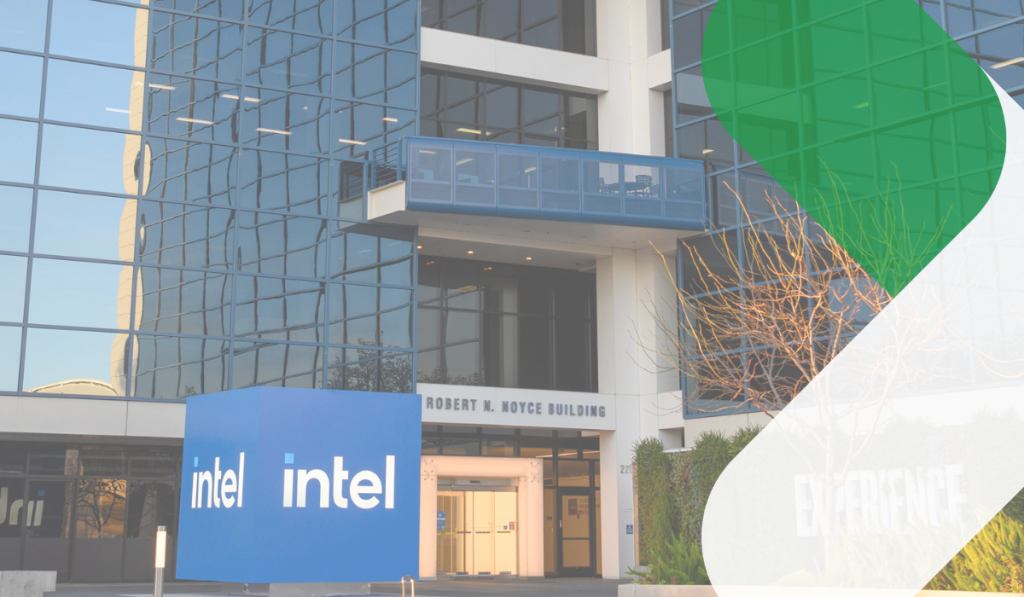
This article examines how rinf.tech’s 8-year partnership with Intel has advanced open-source innovation by addressing real-world challenges in cloud, IoT, and AI ecosystems. It highlights joint contributions to improve workload performance, enhance IoT sensor integrations, and optimize computer vision using OpenCV and OpenVINO. Read more into how these contributions deliver measurable value to the global developer community and accelerate enterprise adoption of scalable, reliable technologies.

Voice recognition technology is revolutionizing industries, from automotive and retail to fintech and healthcare, by enhancing user experience and operational efficiency. However, as these systems become more integrated into our daily lives, robust security measures are essential to protect sensitive voice data from emerging threats like spoofing and unauthorized access.

AI-driven workflow automation is transforming how organizations operate. By replacing time-consuming manual tasks with intelligent, self-optimizing systems, businesses can boost productivity by as much as 40% while reducing costs and minimizing errors. From enhancing customer service and streamlining software development to enabling data-driven decision-making, AI is not only modernizing traditional processes but also paving the way for a more agile and competitive future. This article delves into the evolution from rigid robotic process automation to adaptive AI workflows, offering practical insights on harnessing this technology to drive innovation and sustainable growth.

How AI and ML enhance LiDAR technology by overcoming data processing challenges, enabling advanced applications in autonomous systems, robotics, and 3D mapping, and more.

Delving into Physical AI’s main technologies, transformative applications, and implications for a smarter, more connected future.